
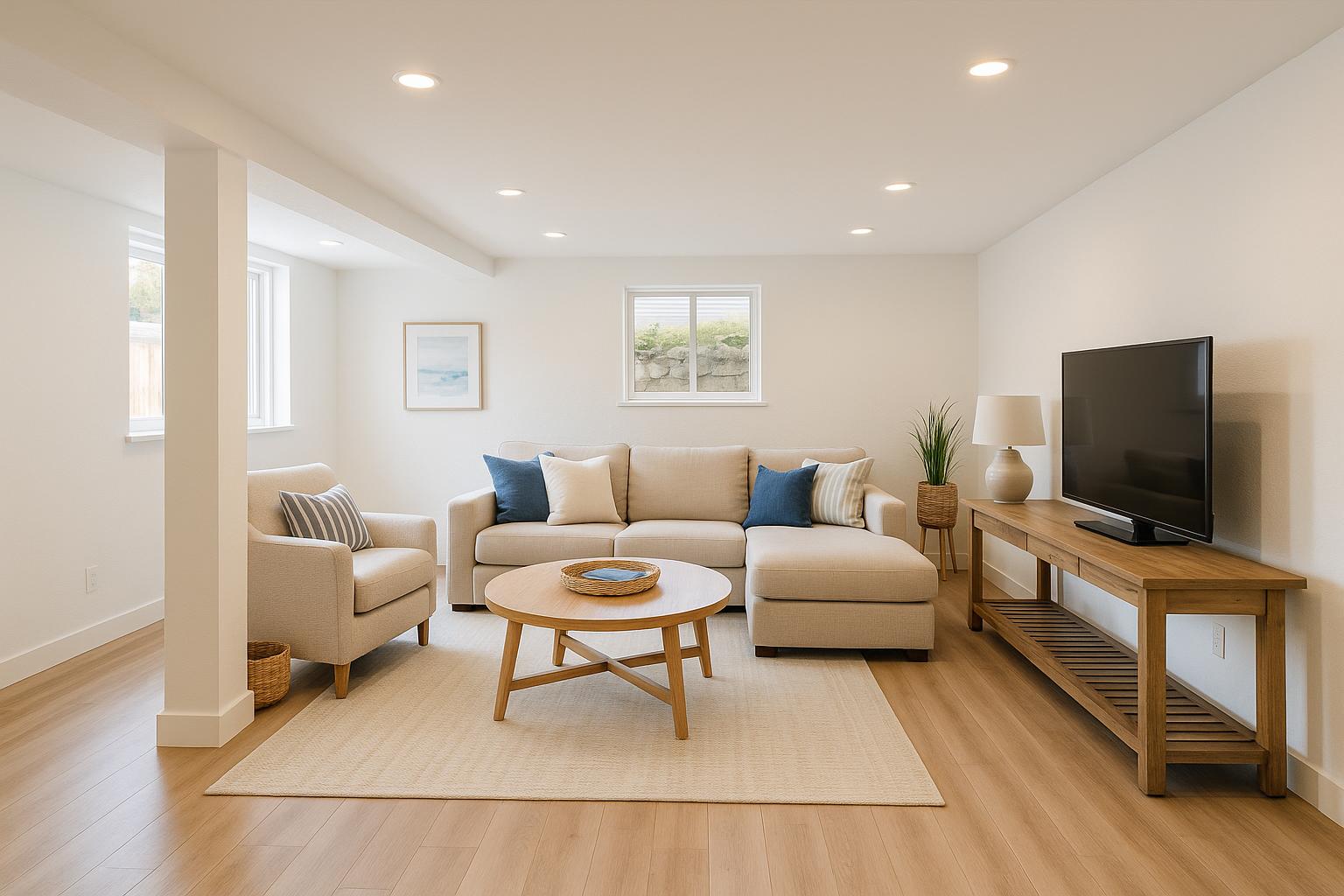
Why Coastal Basement Remodeling Requires a Different Approach
If you own a home in La Jolla, you already know that living near the ocean comes with a few trade-offs. The views are spectacular, the weather is nearly perfect year-round, and the salt air gives everything a certain character — including your home's lower level. Basement remodeling in a coastal environment isn't quite the same as renovating a basement in a landlocked suburb. Moisture management, material selection, and ventilation all require careful planning to ensure your investment lasts for decades rather than deteriorating within a few years.
Whether you're converting an unfinished basement into a guest suite, a home theater, or a functional living space, understanding the unique demands of coastal construction will help you make smarter decisions from day one.
Moisture Is the Number One Challenge
Humidity levels near the Pacific coast tend to be higher than inland areas, and basements are naturally prone to moisture intrusion. In La Jolla, where many homes sit on hillsides or near sea-level terrain, groundwater and condensation can create persistent problems if they aren't addressed before finishing work begins.
Start With a Thorough Moisture Assessment
Before any framing goes up or drywall gets hung, a professional moisture assessment is essential. This involves checking for:
- Active water intrusion through foundation walls or the slab floor
- Condensation patterns caused by temperature differences between the cool basement and warm exterior air
- Drainage issues around the foundation perimeter
- Cracks or gaps in the foundation that could allow water entry over time
Skipping this step is one of the most common — and most expensive — mistakes homeowners make. Finishing a basement without resolving underlying moisture issues almost always leads to mold, musty odors, and damaged materials down the road.
Waterproofing Solutions That Work
Depending on what the assessment reveals, your contractor may recommend interior waterproofing membranes, exterior drainage improvements, a sump pump system, or a combination of all three. In many coastal San Diego homes, a quality vapor barrier on the concrete slab paired with proper wall insulation techniques is enough to keep moisture at bay. The key is matching the solution to the specific conditions of your property.
Choosing Materials That Can Handle Salt Air
Salt air accelerates corrosion and can degrade certain building materials faster than you'd expect. When planning a basement remodel near the coast, material selection matters more than aesthetics alone.
Flooring
Engineered hardwood, luxury vinyl plank, and porcelain tile are all strong choices for coastal basement floors. Traditional solid hardwood can warp in humid conditions, while carpet tends to trap moisture and become a breeding ground for mold. Luxury vinyl plank has become especially popular among La Jolla homeowners because it's waterproof, durable, and available in styles that closely mimic natural wood.
Framing and Insulation
Steel studs resist moisture better than wood framing in basement applications, though pressure-treated lumber is also an option. For insulation, closed-cell spray foam provides both thermal insulation and a moisture barrier in one application, making it particularly well-suited for below-grade coastal environments.
Wall Finishes
Mold-resistant drywall — sometimes called green board or purple board — is a smart upgrade over standard drywall in any basement, but it's especially important near the coast. Pairing moisture-resistant drywall with mold-inhibiting primer and paint gives you an extra layer of protection without adding significant cost to the project.
Ventilation and Climate Control
Even with the best waterproofing and materials, a finished basement needs proper ventilation to stay comfortable and healthy. In a coastal climate, this means controlling both temperature and humidity.
A dedicated dehumidifier or an HVAC system with humidity control can make a dramatic difference. Many homeowners in the Pacific Beach and Del Mar areas opt to extend their existing HVAC system into the basement, which provides consistent climate control throughout the home. Others install a mini-split system, which offers independent temperature and humidity management without requiring ductwork modifications.
Adequate air circulation also prevents that stale, closed-in feeling that unventilated basements are known for. Ceiling fans, return air vents, and even strategically placed windows or window wells can all contribute to a fresher, more livable space.
Permits and Local Building Codes
San Diego County has specific building codes that apply to basement finishing projects, and La Jolla falls within the City of San Diego's jurisdiction. Depending on the scope of your remodel, you may need permits for electrical work, plumbing, structural modifications, and egress requirements.
Egress is a particularly important consideration if you're adding a bedroom to your basement. California building codes require at least one egress window or door in every sleeping room, and the opening must meet minimum size requirements to allow escape in an emergency. Planning for egress early in the design phase prevents costly changes later.
Working with a contractor who understands local permitting processes can save you weeks of delays. The City of San Diego's Development Services Department handles permit applications, and an experienced remodeling company will know exactly what documentation is needed to keep your project on schedule.
Setting a Realistic Budget
Basement finishing costs vary widely depending on the size of the space, the level of finish, and the amount of prep work required. In coastal Southern California, you should expect to invest more in moisture mitigation and material upgrades than homeowners in drier climates might spend.
A practical approach to budgeting includes:
- Getting a detailed estimate that breaks down costs for waterproofing, framing, electrical, plumbing, finishes, and permits
- Setting aside a contingency fund of 10 to 15 percent for unexpected issues that often arise once walls are opened up
- Prioritizing structural and moisture work over cosmetic upgrades — a beautiful basement that develops mold within two years isn't a good investment
- Comparing quotes carefully and asking contractors to explain what's included and what's not
Straightforward, itemized pricing helps you understand exactly where your money is going and makes it easier to adjust the scope if needed.
Making Your Basement Work for Your Lifestyle
Once the technical challenges are addressed, the fun part begins. La Jolla homeowners are using their finished basements for everything from wine cellars and home gyms to in-law suites and remote offices. The mild climate means your basement won't experience the extreme temperature swings that plague homes in other parts of the country, which makes it a comfortable living space nearly year-round with minimal climate control.
Think about how your household actually functions and what kind of space would add the most value to your daily life. A well-planned basement remodel doesn't just add square footage — it can fundamentally change how you use and enjoy your home.
Start With the Right Partner
A successful coastal basement remodel comes down to preparation, materials, and experience. At Palisade Basement Pros, we work with homeowners throughout La Jolla and the surrounding coastal communities to transform underused basements into spaces that are built to last. If you're considering a basement project and want honest guidance on what it takes, we're always happy to talk through your options.